

Abercrombie & Fitch, the US-based retail giant with annual revenues exceeding US$1 billion, holds the registered trademark for ‘Bondi Beach.’ This trademark covers a wide array of retail categories, from lotions, creams, and oils to linens, jewellery, clothing, accessories, footwear, and headgear. Essentially, it gives Abercrombie & Fitch exclusive rights over the commercial use of ‘Bondi Beach’ in the US market across these categories.
This legal lock on ‘Bondi Beach‘ has real-world consequences for Australian companies. Take Bondi Wash, for example, a fragrance company rooted in the essence of Australia’s coastal lifestyle. When they attempted to trademark their name in the United States, their application was rejected due to its perceived similarity to Abercrombie & Fitch’s trademark. Despite the stark differences between the products and the brand identities, the existing trademark’s broad scope effectively blocked Bondi Wash‘s entry into the US market under its own name.
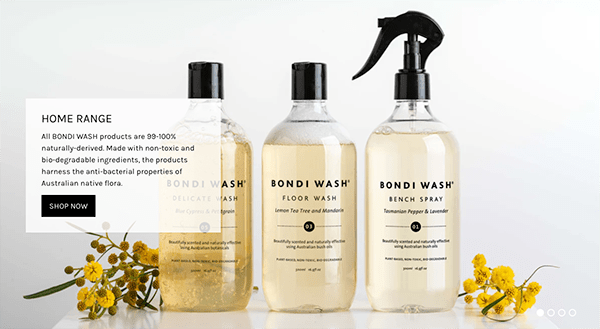
Bondi Wash creates products that combine the fragrance of Australian botanicals with natural ingredients
When you dig deeper into US trademark law, the reasoning becomes clearer, albeit somewhat dated. In the United States, trademarks that contain geographic names can be refused registration if the location is of “primary significance” to American consumers. While this made sense in the 20th century when markets were largely local, the explosion of global e-commerce has completely changed the game. Today, international brands need to navigate a web of trademark regulations that can seem out of touch with the realities of a connected world.
The issue isn’t isolated to Bondi Beach. Several other iconic Australian place names have been trademarked in the US, leading to significant restrictions for Australian companies. For instance, ‘Sydney’ is trademarked for use in cosmetics, custom manufacturing, software and technical support services. ‘Melbourne’ has been snapped up for motorhomes, handbags, and hardware. Even the capital, ‘Canberra,’ is trademarked for play houses and toy furniture (although that perhaps is more ironic than anything). Then there’s ‘Uluru,’ which has been trademarked for computer software, and ‘Kakadu,’ which is claimed in categories like nutritional supplements, beauty products and energy drinks. This extensive reach into Australian geography for commercial purposes seems more than just an oversight; it’s a systemic issue that hinders the global expansion of authentic Australian brands.
Local reactions in Australia have been understandably strong. Bondi’s former local mayor, Sally Betts, had expressed her frustration to the ABC, stating, “Everybody uses the name Bondi Beach, and for it just to be restricted by one organisation in the whole of America, it just seems wrong. It’s just completely wrong.” The sentiment is widely shared, as many see these trademarks as a form of cultural appropriation that restricts the use of names deeply ingrained in Australia’s national identity.
Interestingly, this phenomenon isn’t limited to Australian place names or US companies. Across the globe, businesses face similar challenges when expanding into new markets due to the practice known as “trademark squatting.” In countries like China, trademark squatters are a real problem. They register popular foreign brand names and locations, often in hopes of selling them back to the original brand for a hefty profit or using them to market their own products. It’s a troubling trend that underscores the complexity of trademark law in the era of global commerce.
Bondi Wash ultimately withdrew its challenge against Abercrombie & Fitch’s claim to the ‘Bondi Beach’ trademark, likely due to the extensive legal costs and uncertainties involved in such battles. Interestingly, Abercrombie & Fitch had established the ‘Bondi Beach’ trademark back in 2011, ostensibly to support their brand’s Australian presence, coinciding with the opening of their first store in Melbourne in 2012. Ironically, they exited the Australian market by mid-2015, shifting their focus toward Asian expansion. Yet, their trademark continues to create roadblocks for Australian businesses trying to sell their products in the US, a market that Abercrombie & Fitch no longer prioritises.
Fortunately, Australia has its own trademark laws regarding geographic names, offering some level of protection to local businesses. Generally, geographic names are not registrable in Australia unless there is evidence of extensive prior use or if distinctive elements, such as logos, are incorporated. This offers a more balanced approach, allowing for some flexibility while preventing the monopolization of commonly recognized place names. It’s a contrast to the situation in the US, where broad trademark protections can inadvertently stifle international commerce.
So, if you’re an Australian business looking to trademark a name that includes a location, it’s worth exploring these distinctive elements.
Editors Update: As of September 2024 Abercrombie & Fitch’s Bondi Beach trademark across a number of categories appears to have been cancelled.




 The Lowdown
Leave a comment